The Art of Spotting a Genuinely Good Deal
Not every red tag is a real discount. Learn the simple checks that separate a true bargain from clever marketing.
Stores have spent decades perfecting the visual language of "deal." Bold red signs, percent-off badges, struck-through prices, countdown timers — all of it is designed to trigger a quick decision. A genuinely good deal will hold up under a slower look. Here are the checks that help you tell the difference.
Compare against the real reference price
The number a sale claims you're "saving" is only meaningful if the original price was a price people actually paid. A useful habit is to look up the same item at another retailer, or check its history on a price-tracking tool, before assuming the discount is real. If the "regular" price is one you've never seen anyone actually charge, the percentage off is mostly theater.
Ignore the percentage, look at the unit cost
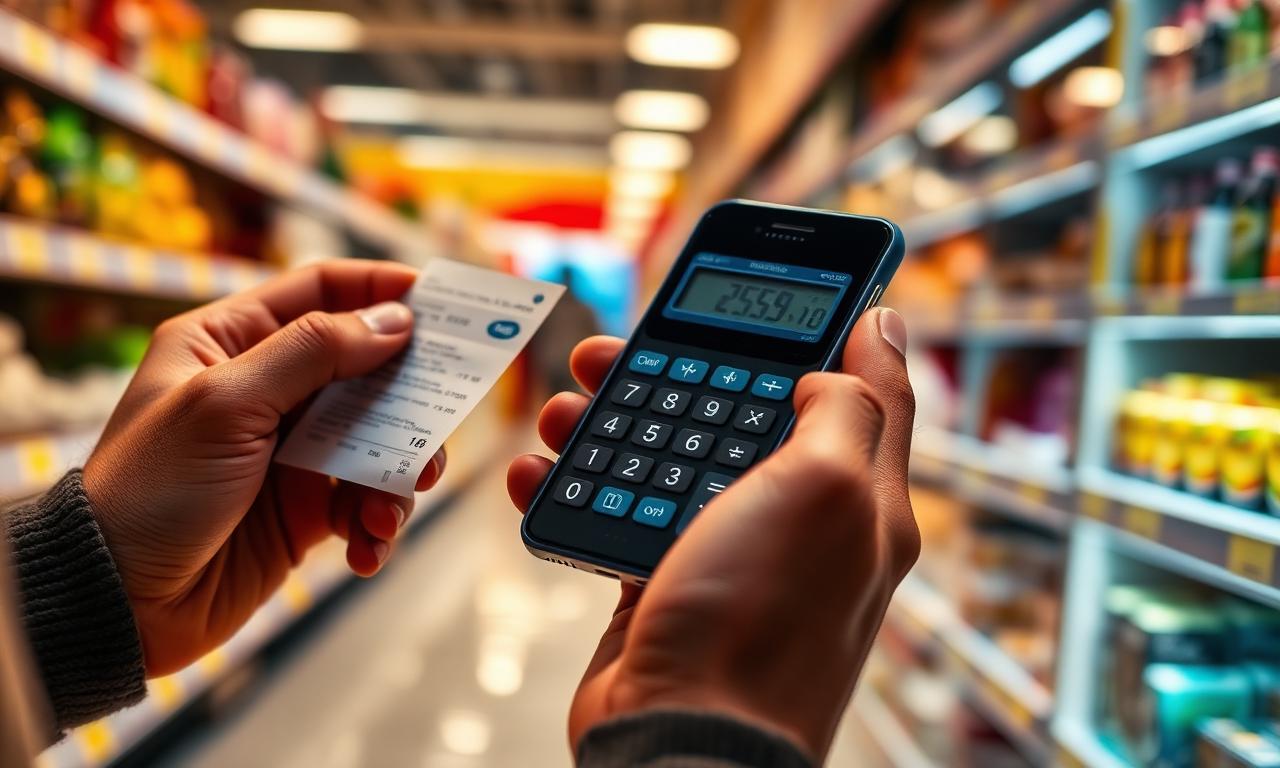
Percentages can flatter small absolute differences. A modest discount on a high-volume item often saves you more than a big percentage off something tiny. Calculate the price per ounce, per sheet, per serving — whatever unit makes sense — and compare across brands and pack sizes. The largest pack isn't always the cheapest per unit, and the deepest discount isn't always the best value.
Watch for shrinkflation
A familiar package can quietly get smaller while the price stays the same. When you compare a "deal" to your memory of the old price, you may be comparing different quantities. Always check the size on the label — not just the price.
Factor in everything you'll actually pay
The sticker price is rarely the final price. Shipping, taxes, optional warranties, subscription fees, and minimum spend thresholds all change the math. Before you check out, look at the order total and divide by what you're actually getting. That's the number that matters.
Ask whether you'd buy it at full price
This single question saves more money than any coupon. If you wouldn't consider buying the item at its normal price, a discount doesn't change the equation — it just lowers the cost of something you didn't really want. A deal is only a deal if the underlying purchase was already a good idea.
Beware of urgency cues
Countdown timers, "only a few left," and flash-sale language all push you toward a fast decision. Sometimes the urgency is real; often it's a sales tactic. Give yourself a small cooling-off period for non-essential purchases. If the deal is genuine and the item still makes sense the next day, the savings will still feel good. If it doesn't, you've avoided a regret.
A short checklist
- Is the reference price one people actually pay?
- What's the unit cost compared to alternatives?
- Has the package quietly shrunk?
- What does the final total look like with everything added?
- Would I want this at full price?
Run a deal through those five questions and the answer usually becomes obvious. Real bargains tend to look better the more you examine them, not worse.