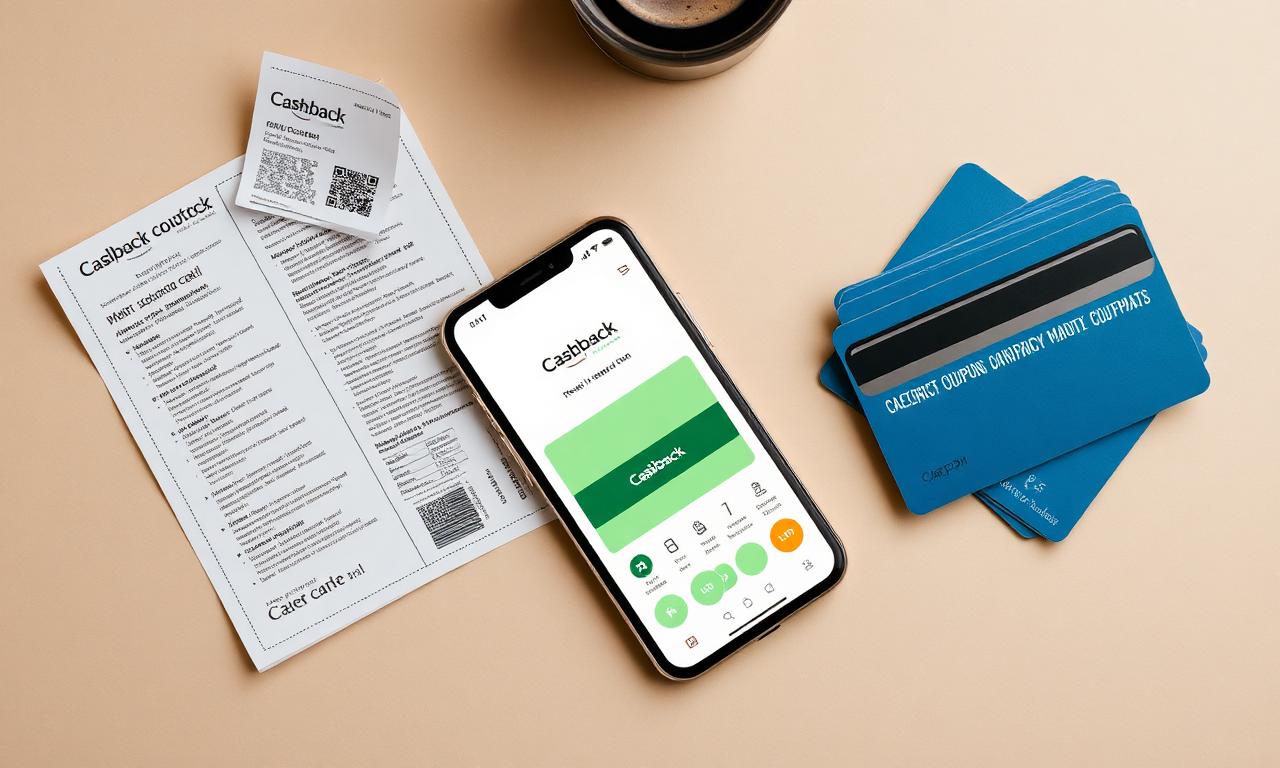
Stacking Discounts: Coupons, Cashback, and Memberships
Layering savings tools is where casual shoppers turn into savvy ones. A practical look at how to stack without getting tangled up.
A single discount is nice. Multiple discounts on the same purchase, applied in the right order, is where savings start to feel disproportionate to the effort. "Stacking" simply means combining different kinds of savings tools — a sale price, a coupon, a cashback offer, a card reward, a membership perk — on the same transaction. Done well, it can quietly cut a meaningful percentage off your total spend without changing what you buy.
The common layers
- Base sale or promotion from the retailer.
- Coupons or promo codes, either from the retailer or third-party offers.
- Cashback or rebate apps that return a portion of the purchase after the fact.
- Card rewards — points, miles, or statement credits earned on the payment method.
- Membership perks such as free shipping, member-only pricing, or category bonuses.
- Gift card discounts, where a gift card was bought at less than face value and used for the purchase.
Not every retailer allows every layer, and the rules vary widely. The point isn't to use all of them every time — it's to know which combinations are available so you can apply the ones that fit.
Apply in the right order
Order matters more than people expect. A general rule of thumb:
- Start with the retailer's own sale price.
- Apply coupons and promo codes at checkout.
- Pay with the most rewarding eligible card.
- Route the purchase through any cashback or rebate program before checking out.
- Use a discounted gift card as the payment method when possible.
If you swap the order, you can accidentally disqualify one of the layers. Cashback portals, for instance, often require you to click through them before completing the purchase, not after.
Read the fine print on exclusions
Most stacking failures come from overlooked exclusions. Promo codes commonly exclude sale items, certain brands, or gift cards. Cashback offers sometimes exclude specific categories. Card bonus categories may have caps. A two-minute read of the terms before you check out prevents the disappointment of seeing your "stack" collapse to a single layer.
Keep it simple enough to maintain
Stacking only saves money if you actually do it. If a system requires opening five apps, tracking offers across multiple inboxes, and remembering which card belongs to which category, it will quietly die. Pick a small number of tools you trust, build a short checklist for purchases over a certain amount, and ignore the rest. Consistency beats sophistication.
Track what actually worked
Every couple of months, glance back at your records and notice which combinations meaningfully reduced your spend and which didn't. Cancel the memberships that no longer pay for themselves, drop the cards whose rewards you never use, and unsubscribe from the offer emails that just create noise. A leaner stack you actually use will outperform a sprawling one you don't.