How to Stock Up Smart Without Overspending
Stocking up can save real money — or quietly cost you more. Here's how to build a pantry and household supply that pays off month after month.
Stocking up is one of the oldest savings strategies in the book, and for good reason. When a price drops well below its usual range, buying extra locks in that lower cost for weeks or months. But stocking up can also backfire — tying up cash, filling cabinets with things you'll never use, and tempting you to overconsume what's on hand. The difference between smart stocking and impulsive hoarding comes down to a few quiet habits.
Know your real baseline prices
A "sale" only matters relative to what something normally costs. Before you start buying in bulk, spend a couple of weeks writing down the regular prices of the items you actually use. Once you know that olive oil usually runs around a certain price at your usual store, you can recognize a genuinely good deal instantly — and ignore the ones dressed up with red tags but priced close to normal.
Stock only what you already use
The fastest way to waste money on a sale is to buy something just because it's cheap. If your household doesn't already eat it, use it, or rely on it, the discount is irrelevant. Stocking up works when it reduces future spending on things you'd buy anyway. It stops working the moment it adds new categories to your grocery list.
Match quantity to shelf life
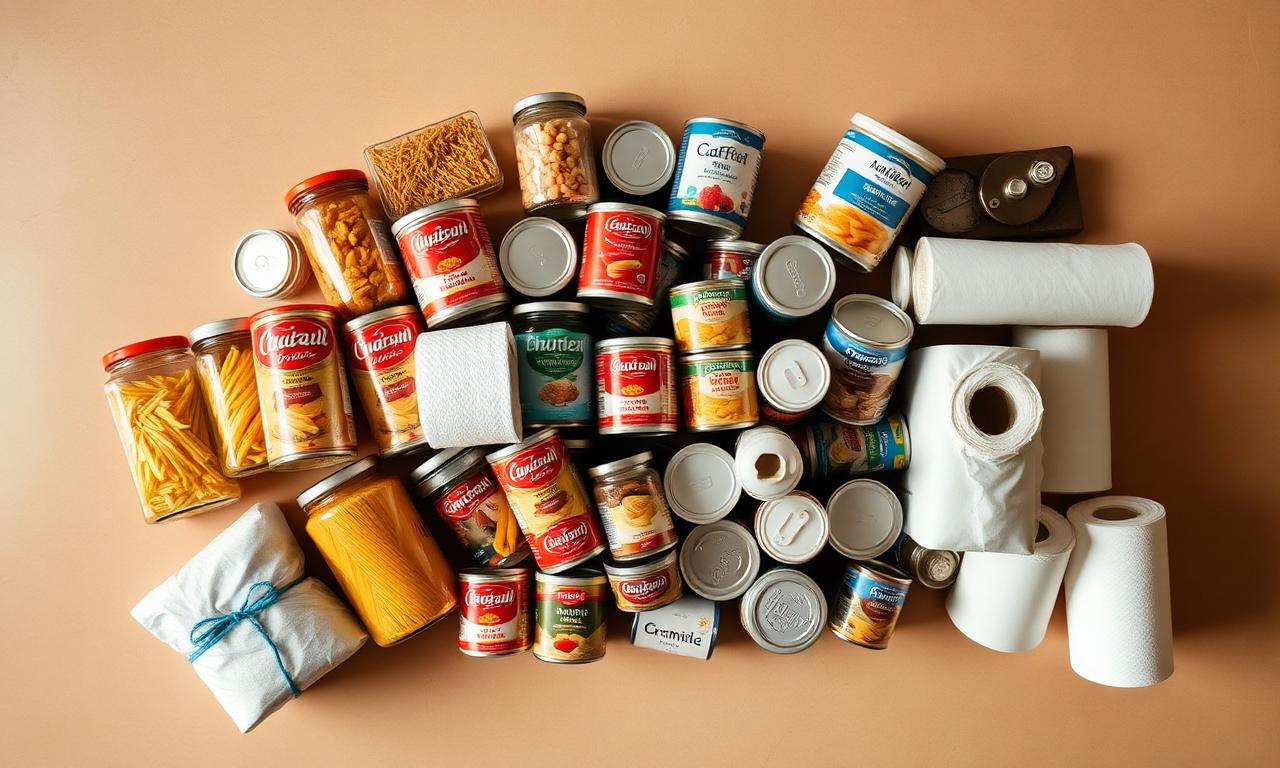
- Long shelf life: canned goods, rice, pasta, paper products, cleaning supplies — safe to buy in larger quantities.
- Medium shelf life: flour, nuts, coffee, frozen items — buy a reasonable surplus, not a year's worth.
- Short shelf life: dairy, fresh produce, bread — generally not worth stocking up, even at steep discounts.
A great price on something that spoils before you finish it is not a great price.
Set a stockpile budget
Decide ahead of time how much of your monthly grocery or household budget you're willing to redirect toward stocking up. A common approach is to cap it at a modest percentage of your normal spend. That way, a string of good sales doesn't blow up your cash flow or your storage space.
Rotate, label, and use what you buy
Once items are in the pantry, treat them like a small inventory. Put newer purchases behind older ones so nothing gets buried and forgotten. A quick label with the purchase month on jars, bags, or cans takes seconds and saves real waste. Review your shelves once a month and pull a few items into the week's meal plan.
Watch for the sale cycle
Most categories follow predictable sale patterns over the course of a year. Holiday baking goods tend to drop near major holidays. Grilling supplies cycle with the seasons. Cleaning products and paper goods often see deeper discounts at the start of the year. Paying attention to the rhythm helps you wait for the right moment instead of buying at full price out of habit.
The bottom line
Stocking up smart isn't about filling every shelf. It's about quietly lowering your average cost on the things you already buy, without locking up money or creating waste. Build the habit slowly, stay honest about what you'll actually use, and let the savings compound over time.